Phototaking tips for stunning landscape shots
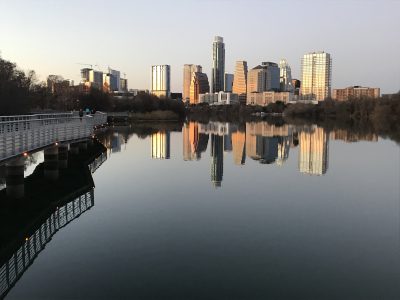

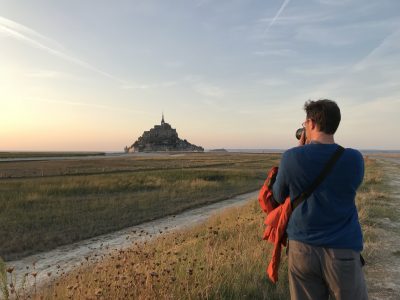
Here are some practical and creative phototaking tips for stunning landscape shots— whether you’re using a DSLR, mirrorless camera, or even your phone. Plus samples,
1. Plan for the Best Light
-
Golden Hour: Shoot shortly after sunrise or before sunset. The soft, warm light adds depth and texture.
-
Blue Hour: The time just before sunrise or after sunset gives a dreamy, calm tone.
-
Midday Tip: If you must shoot under harsh light, look for shadows, reflections, or patterns to make it work.
2. Compose with Purpose
-
Rule of Thirds: Place your horizon on the upper or lower third, not in the center.
-
Leading Lines: Use roads, rivers, fences, or trails to draw the viewer’s eye through the scene.
-
Foreground Interest: Add rocks, flowers, or water reflections to create depth and balance.
-
Frame the Scene: Use trees, arches, or windows to naturally frame your landscape.
3. Master Your Settings
-
Aperture: Use a small aperture (f/8–f/16) for sharp focus from foreground to background.
-
ISO: Keep ISO low (100–200) to reduce noise.
-
Shutter Speed: Slow speeds (1/4–2 sec) can blur water or clouds for a silky effect—use a tripod!
-
Manual Focus: For precise sharpness, especially in low light or complex compositions.
4. Use a Tripod
Even small movements blur long exposures. A tripod ensures sharpness and lets you experiment with slow shutter speeds and HDR shots.
5. Work with the Weather
-
Don’t wait for “perfect” weather. Mist, fog, rain, or storms can create dramatic, moody shots.
-
Check forecasts and apps like PhotoPills or The Photographer’s Ephemeris to predict lighting and sun position.
6. Include Reflections and Scale
-
Water reflections or puddles can double your image’s impact.
-
Add a person, tree, or structure to show scale and make vast landscapes feel more relatable.
7. Shoot in RAW
RAW files keep all your image data, giving you maximum flexibility for editing color, light, and detail afterward.
8. Post-Processing Magic
-
Enhance contrast, clarity, and color subtly — avoid over-saturation.
-
Adjust shadows and highlights to balance exposure.
-
Sharpen details and crop for stronger composition.